
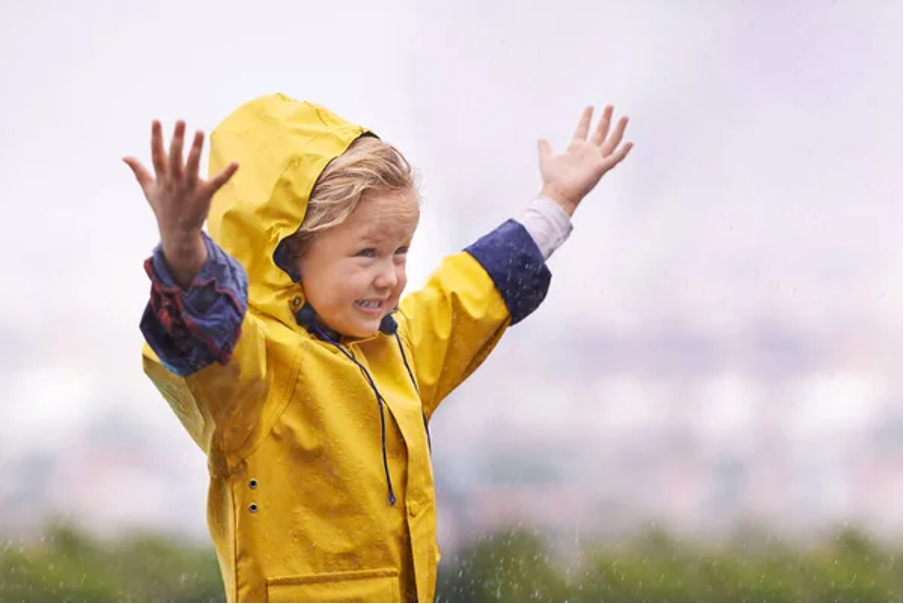
Emotions move through our body, like the weather moves across the world. Emotions are inevitable, transient and impactful.
And like the weather, even if we try to forecast and anticipate a new season or a typical day, there is a good chance our expectations are not going to be accurate. Things may be different to what we might have imagined or planned for. This is the nature of all our lives.
Also, like the weather, there are times, when emotions can feel extreme – threatening, foreboding, destructive, and certainly out of our control. And yes! Please don’t forget -there are also times when things feel calmer, and more moderate, when the soft sun shines and the cool summer breeze lifts our mood –we are able to stroll through our days with confidence and ease, carefree.
When young children experience big emotions –pure elation and excitement, as well as dread, fear or disappointment – we, their adults (parents, grandparents, carers and educators), are best placed to be quiet, steady and present observers, feeling stirred perhaps, and hopefully not shaken. It is in these moments it is more about who we are than what we do.
Later, when those big feelings have dissipated, we can then step up into our role as guide or translator – offer our observations, share some tools and resources in the hope that our child will come to know ways to better ‘weather’ these big bold feelings. Just like having the right weather-gear (raincoats, woollen beanies, gloves, snow-boots or an umbrella) so we learn, over time, how to keep ourselves safe and protected.
One of the most helpful of tools is to think about what we do to take care of ourselves as we regulate and integrate our emotions, safely and whole-heartedly. Our capacity to pause and consider what helps us when we are feeling angry, or disappointed, or frustrated or oh so excited, are the golden nuggets that will bring new possibilities to our children in moments that feel overwhelming. This will vary from person to person and might include responses like:
- Having some time alone
- Having a big cry
- Being scooped up into a hug
- Going for a brisk walk
- Punching a pillow
- Breathing deeply, deliberately
- Dancing
- Jumping on a trampoline
- Talking about it
- Having a shower, or bath
Sharing what we do, offers children a most important message that these big feelings are part of being human. We all experience a range of emotions, some with more or less intensity and volume. This gesture reassures children, will normalise their experience, and give them ideas and ways to keep themselves safe whilst the emotions travel through them.
Like all new skills, this integration and regulation of emotions takes practice. The more we are able to trust the process and embrace the intensity of the feelings, rather than fight against them, ignore or push them away, the healthier we grow. The more practice we have, the more resilient we become. The more practice we have, the more prepared we can be.
Remember, we want to grow children into adults who are also going to be considerate and responsive to others; we want to keep them safe from emotions flooding and overwhelming their days, from being shaken to the core. The more opportunities to safely navigate these big emotions, the better the chance a child will have to learn to grow with courage to embrace life, with feeling; able to weather the wind, the rain and the hot summer sun. We want our children to become adults stirred, not shaken.